What I saw, what students built, and what the No-Code AI Learning Lab at Sambalpur University reminded me about learning
47 Students Built Their First AI Agents. Here’s What That Taught Me About Learning.
I walked into Sambalpur University expecting two days of teaching.
I left thinking about how quickly a room can change when people stop just learning about AI and start building with it.
We had more than 100 students across the programme. Some had barely used AI beyond treating it like another search box. Others were already curious about how AI could fit into their careers.
By the end, the difference was visible. Some students had worked on websites.
Some had built portfolios and learned how to present their skills better.
Some started thinking about how AI could fit into the field they were already studying.
And 47 students took the same practical training and went on to build and run their own AI agents.
That number stayed with me.
Because the interesting part wasn’t simply that they built an AI agent.
It was what happened once they realised they could.
Students started experimenting with ideas from their own fields. One built a Physics problem-solving assistant. Another created a personal AI copilot designed around Engineering, MBA, Finance, Marketing, Research and content creation. Another explored how a custom bot could be taken beyond ChatGPT and turned into software.
More Than 100 Students Walked In
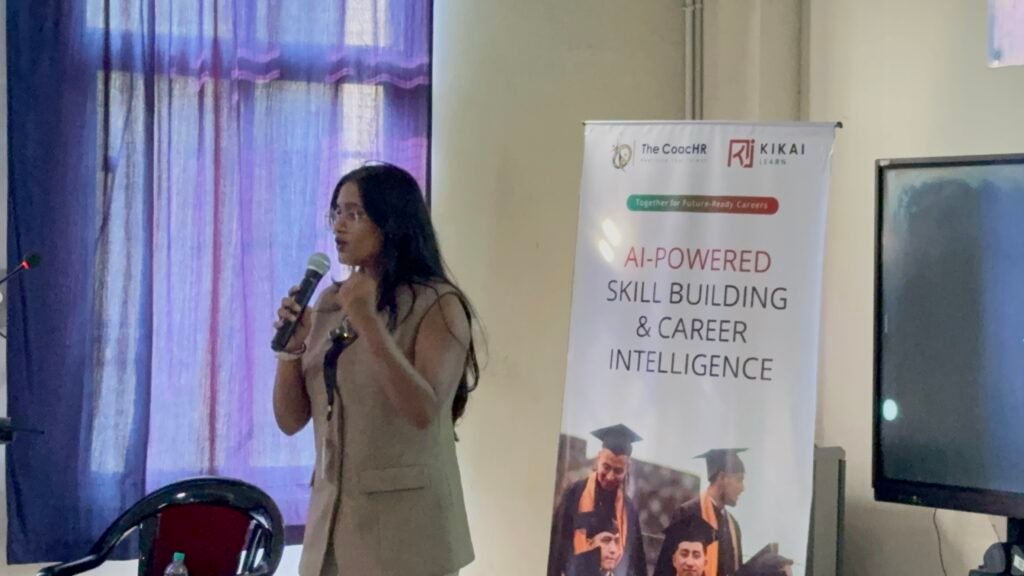
More than 100 students participated in the programme, each coming with a different level of exposure, a different academic background and different goals.
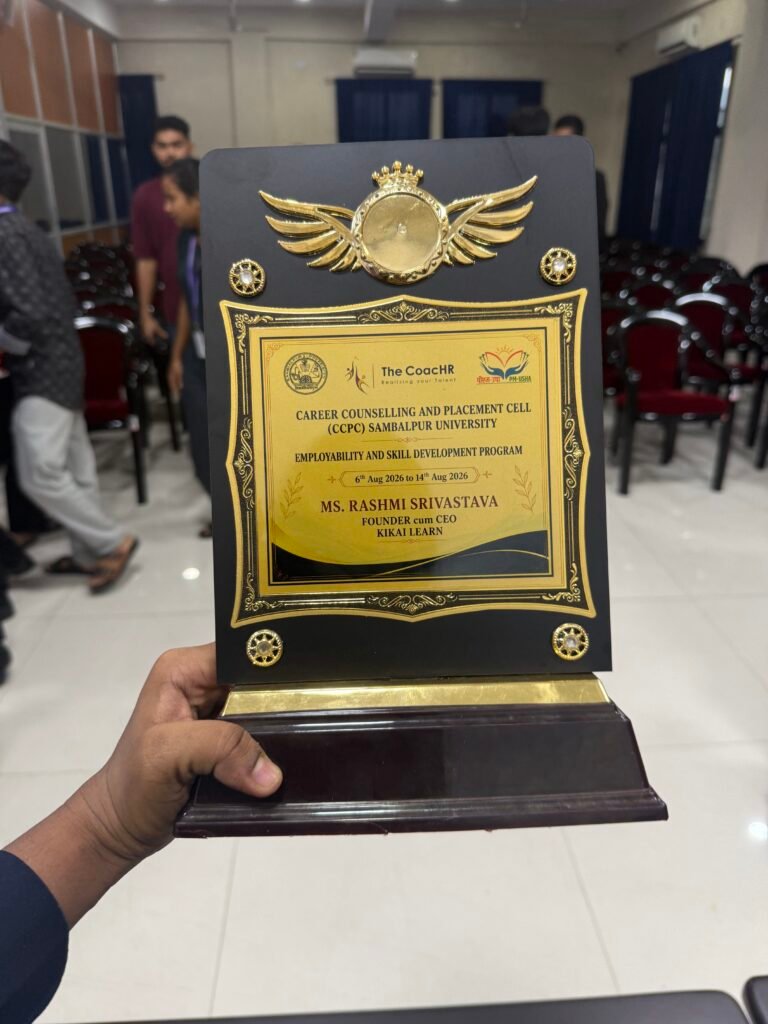
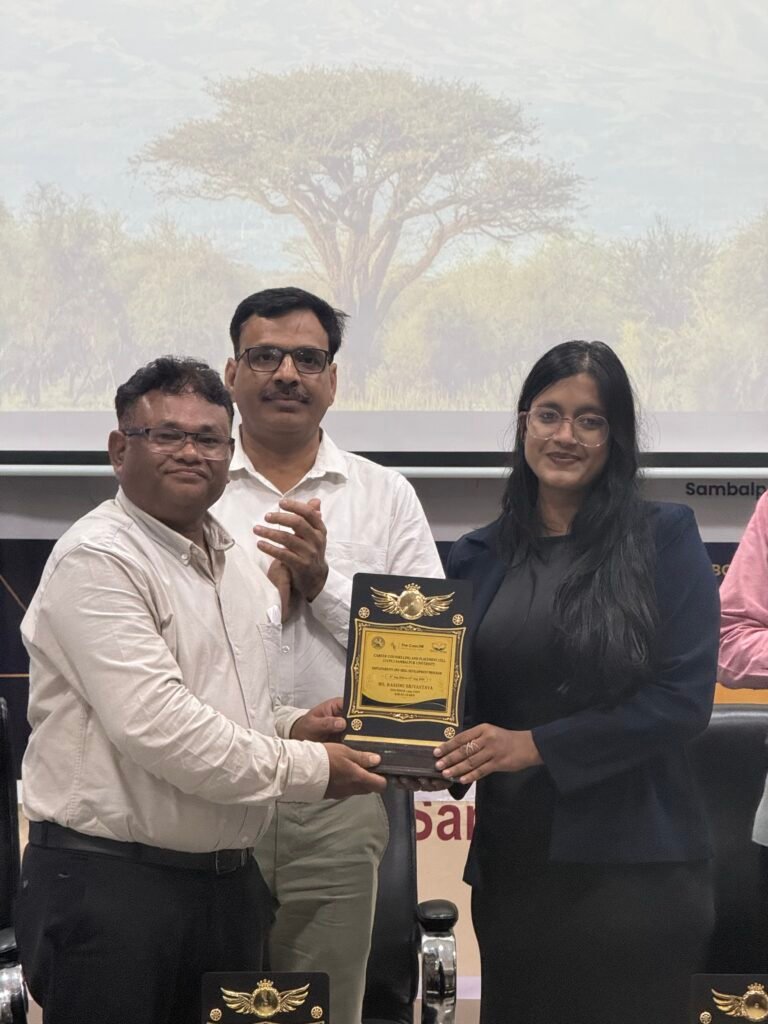
The No-Code AI Learning Lab was part of the 8-day Employability & Skill Development Programme at Sambalpur University, organised by the Career Counselling & Placement Cell and funded under PM-USHA in partnership with The coach hr
So this was not designed as a one-off technology demonstration.
It was part of a broader employability-focused initiative, and that gave us the opportunity to think about what students should actually be able to do after the sessions.
From Learning to Building
The curriculum was carefully structured to move students from understanding AI to actually using it.
We started with prompt engineering and AI productivity, then moved into personal branding, market positioning, product marketing and AI-enabled workflows.
The final step was building no-code AI agents.
That progression was intentional.
I did not want students to leave with a list of tools they had seen once. I wanted them to understand where those tools could fit into something they already cared about: their studies, their careers, their work or a problem they wanted to solve.
The question gradually changed from “What can AI do?” to “What can I use it for?” and finally, “What can I build with it?”
10+ Tools, But the Tools Were Only the Starting Point
We introduced students to a range of AI and no-code tools, including Gamma, ChatGPT, Pomelli, Gemini, Napkin, Presentation.ai, Canva and Opal.
But I didn’t want them leaving the workshop with another list of tools they could Google later.
The goal was to help them understand where each tool fits, what problem it can solve, and when it makes sense to use it.
That distinction became important once they started building.
Because within the same training window, 47% of the students went from experimenting with these tools to creating their own AI agents.
Some of the Agents That Stood Out
Bulu Nayak | Physics Step-by-Step Problem Solver
Bulu Nayak created a Physics problem-solving agent focused on step-by-step problem solving using AI.
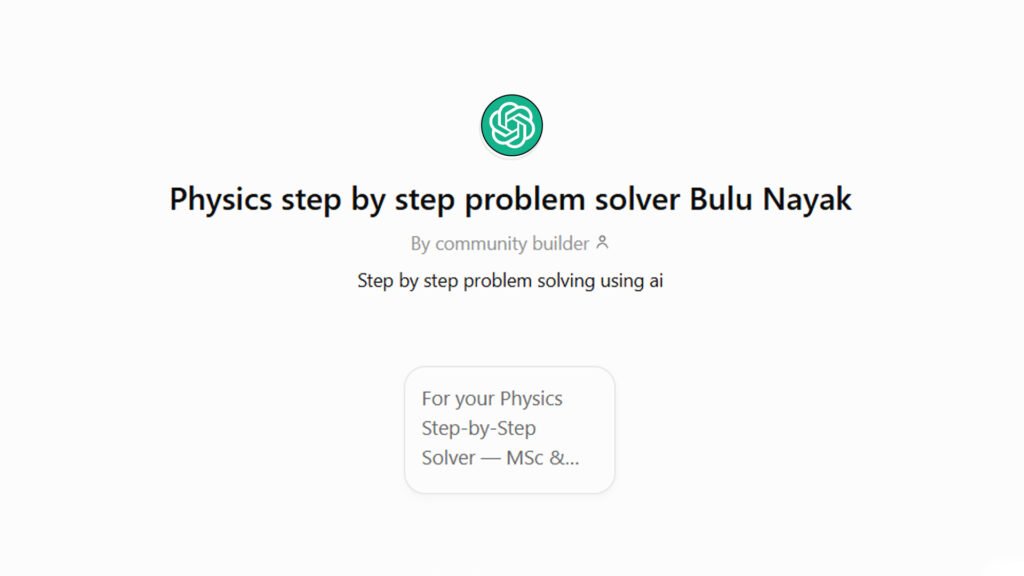
What was this agent made for?
To help break Physics problems down into a structured, step-by-step solving process.
What did it do?
It used AI to support the problem-solving process rather than simply giving an answer.
Sidharth Biswal | HealthNutri AI
Sidharth Biswal created HealthNutri AI, an AI-powered personal health and nutrition assistant that analyses diet, lifestyle, health measurements and nutrition patterns to provide personalised, evidence-aware guidance.
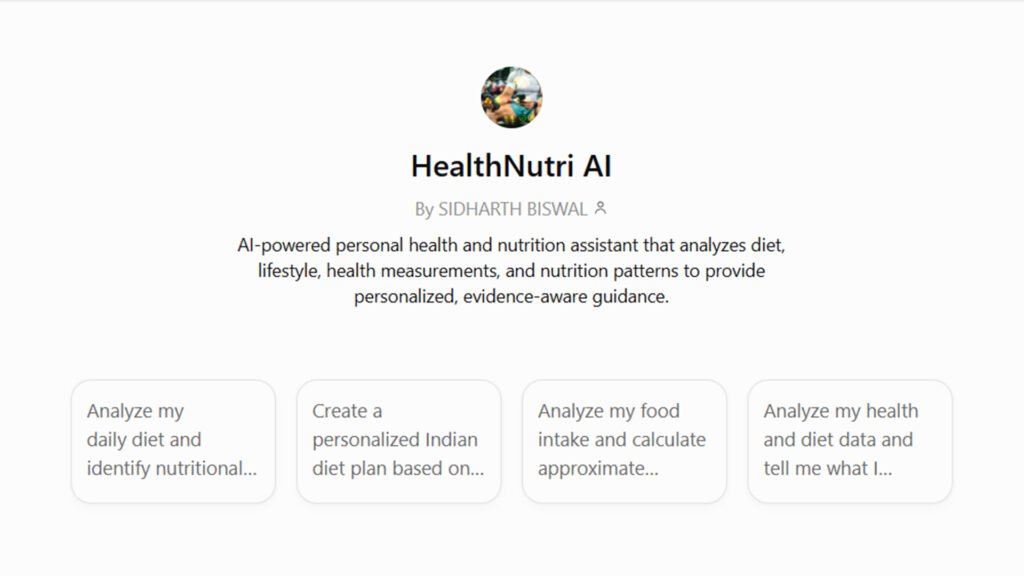
What was this agent made for?
To bring diet, lifestyle and nutrition information together in one AI-assisted experience.
What did it do?
It analysed the provided health and nutrition inputs and generated personalised guidance based on those patterns.
Sohan AI | A Digital Counterpart
Sohan AI was created as a human, natural digital counterpart that thinks and communicates like Sohan.
It has two modes: Professional Sohan and Casual Sohan.
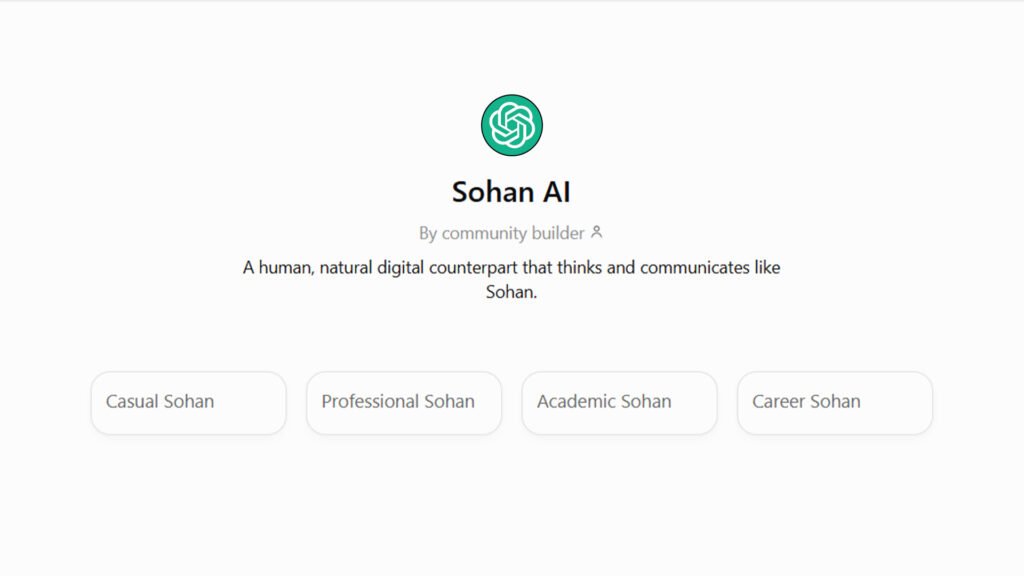
What was this agent made for?
To create a digital counterpart that reflects Sohan’s communication in professional and casual contexts.
What did it do?
It adapted its communication between Professional Sohan and Casual Sohan depending on the situation.
The Energy in the Room Was Amazing
The numbers tell one part of the story.
The energy in the room told me the rest.
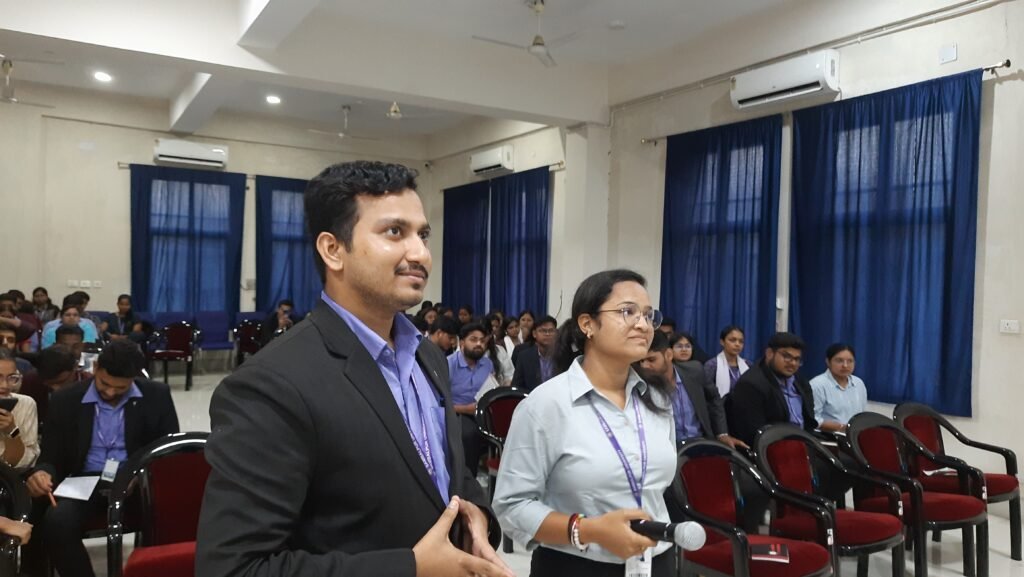
By the second day, students were not just listening. They were showing each other what they had built, asking more specific questions and helping classmates figure things out.
Some of the quieter students started explaining their work to others.
That was one of my favourite moments.
Because when a student who came in using AI mainly for simple searches is suddenly explaining an AI agent to someone else, you can see the shift happen in front of you.
And it did not stop when the workshop ended.
One student reached out to me afterwards because he wanted to create a separate AI agent using a multi-environment format for his own college.
That question stayed with me.
He was no longer asking what AI could do. He was thinking about what AI could do for his environment.
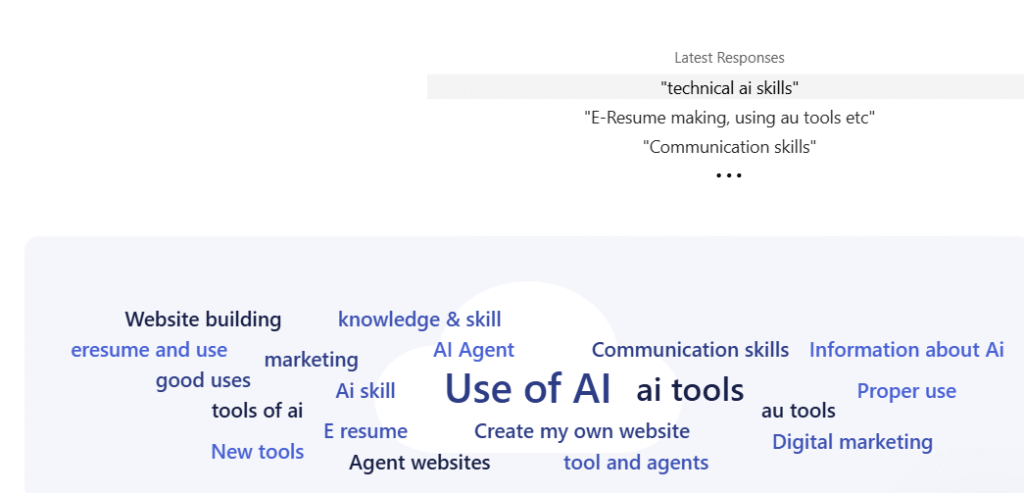
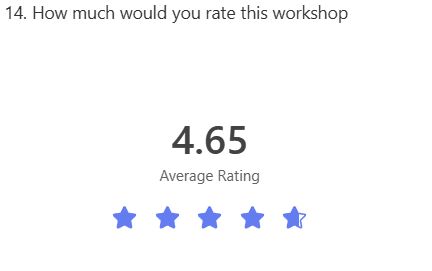
Here is what some of the students had to say:
The feedback we received after the learning lab was one of the most rewarding parts of the experience.
Students shared what they learned, what surprised them, which parts of the workshop were most useful, and how they saw themselves using these skills beyond the classroom.
Reading through the responses, one thing stood out to me: the value of the workshop wasn’t limited to learning a new set of AI tools. Students were thinking about how they could apply what they had learned to their studies, careers, content, problem-solving and future work.
For us, this feedback is important because it tells us what actually stayed with the students after the sessions ended.
Conclusion: The Right Exposure Changes What People Think They Can Build
I have spent years working across education, technology and marketing, and this experience reinforced something I have believed for a long time.
It is easy to focus on where someone comes from, how much exposure they have had or how much they already know.
But watching these students build changed the question for me.
They were given the right exposure, the right tools, the right context and the space to experiment.
And suddenly they were capable of much more.
They could start digging deeper on their own. They could think about where AI fits into their field. They could choose a direction instead of waiting for someone to tell them what to learn next.
That, to me, is the real impact of a learning experience.
It is not just what students know when they leave.
It is what they now believe they can figure out for themselves.
This is also the larger vision behind Kikai Learn: bringing AI together with marketing and professional skills so that learning connects to real work.
In the second half of 2026, Kikai Learn has worked with 550+ learners through programmes focused on practical, career-relevant skills.
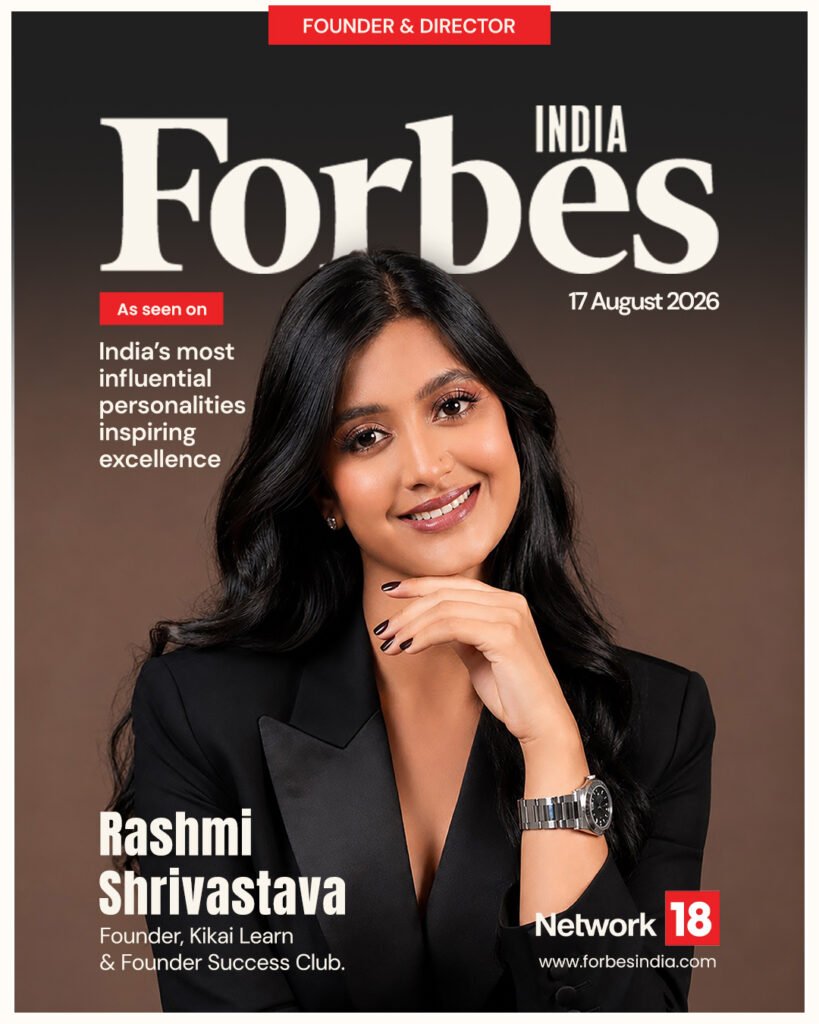
The work has also been recognised through a feature in Forbes India and recognition through ET 30 Under 30.
A Thank You
To the Career Counselling & Placement Cell at Sambalpur University, thank you for trusting us with this learning experience and for creating the platform for students to explore these skills.
A special thank you to Coach HR for the support and contribution that helped make this learning experience possible.
Thank you to everyone who supported the programme under PM-USHA, and to the mentors and contributors who helped make the two days possible.
And to the students, thank you for showing up with curiosity.
Thank you for asking questions, trying things, helping each other and being willing to build something you had never built before.
You made this experience memorable for me.
I came to teach for two days.
I left thinking about how much more students can build when someone simply gives them the right place to start.